
Discover the most-read stories and insights from our community
IntroductionThe price you pay for a spare part is only part of the story. To truly understand its financial impact, you need to calculate the Total Cost of Ownership (TCO) — a figure that includes not just purchase price but also storage, maintenance, obsolescence, and disposal costs.In this post, we’ll break down how to calculate TCO for spare parts and show how HUB’s cost-tracking tools make it easy to keep your procurement budget on track.💸 What Is TCO in Spare Parts Procurement? - TCO captures all costs associated with a spare part throughout its lifecycle, helping you make smarter purchasing and stocking decisions.🧮 Key Components of TCO 1️⃣ Purchase Cost - The upfront cost of acquiring the part. 2️⃣ Shipping & Handling - Freight charges, customs, and special handling costs. 3️⃣ Storage Costs - Warehousing, insurance, and environmental controls needed to keep the part in usable condition. 4️⃣ Maintenance & Installation - Costs linked to installing, inspecting, and maintaining the part while it’s in service. 5️⃣ Obsolescence & Depreciation - The risk of the part becoming outdated or unusable before it’s needed. 6️⃣ Disposal Costs - Fees and labor for safely disposing of the part once it’s no longer needed.🚀 How HUB Helps You Track and Optimize TCO 📊 1. TCO Breakdown Per Part - HUB calculates and displays a full cost profile for each spare part, from acquisition to disposal. 🏷️ 2. Obsolescence & Expiry Alerts - Get notified when parts are approaching the end of their useful life, helping you act before value is lost. 📈 3. Cost Trend Dashboards - Visualize how storage, maintenance, and other hidden costs accumulate over time. 🔔 4. Supplier Performance & Warranty Tracking - Monitor part performance and warranty claims to factor in long-term reliability.💡 Pro Tip - When evaluating new suppliers, compare not just price but full TCO to avoid hidden costs down the line.✅ Conclusion - TCO is the key to smarter procurement. HUB’s analytics and tracking tools help you see the full picture, ensuring you choose parts that offer true value over their entire lifecycle.🔗 Explore HUB’s TCO Tracking Tools: www.HUBspareparts.com🔗 Book a Demo for Cost Management: Contact Us
IntroductionSpare parts procurement can quietly drain your budget if not carefully managed. While strategic overhauls are great, sometimes you need quick, actionable wins that make an immediate impact.In this post, we share 7 proven strategies to reduce procurement costs — and explain how HUB’s vendor comparison and bulk deal features make it easy to save without sacrificing quality.🚀 7 Quick Wins to Cut Procurement Costs 1️⃣ Compare Prices Across Multiple Vendors - Never settle for the first quote. Use HUB’s real-time vendor comparison tool to find the best price without sacrificing quality. 2️⃣ Consolidate Orders for Volume Discounts - Bundling purchases allows you to unlock bulk pricing. HUB helps you group orders across departments to maximize savings. 3️⃣ Track Supplier Performance - Reliable vendors save money in the long run. HUB’s analytics track delivery speed, quality, and service levels so you avoid costly mistakes. 4️⃣ Prioritize Local Suppliers - Cut freight costs and lead times by sourcing locally when possible. HUB filters suppliers by location to help you find nearby options. 5️⃣ Leverage HUB’s Resale/Exchange Marketplace - Turn stagnant stock into cash or trade value using HUB’s resale and exchange system — a hidden cost-saving opportunity. 6️⃣ Automate Reorders to Prevent Rush Orders - Avoid costly emergency orders by setting dynamic reorder points in HUB, ensuring you always restock on time. 7️⃣ Monitor Spend with Dashboards - Use HUB’s spend tracking dashboards to spot overspending patterns and adjust your procurement strategy in real time.✅ Conclusion - Cutting procurement costs doesn’t have to mean cutting corners. With HUB’s tools — from vendor comparison to bulk deals and smart reordering — you can keep your plant running efficiently while protecting your budget.🔗 Explore HUB’s Cost-Saving Tools: www.HUBspareparts.com🔗 Book a Demo of HUB’s Vendor Comparison Engine: Contact Us
IntroductionYou’ve secured the best price for a spare part — but if it arrives late, the hidden costs can quickly outweigh the savings. Supplier lead time is often overlooked, yet it’s a key driver of downtime, emergency orders, and inflated costs.In this post, we unpack the hidden financial impact of supplier delays and show how HUB’s supplier tracking tools help you choose the best vendors for both price and performance.💸 The Hidden Costs of Supplier Delays 1️⃣ Production Downtime - Every hour of delay can cost thousands in lost productivity, missed deadlines, and overtime charges. 2️⃣ Emergency Orders & Rush Fees - When parts arrive late, companies often scramble to source replacements at premium rates. 3️⃣ Inventory Buffering - To hedge against unreliable suppliers, you may keep excess stock — tying up capital and storage space. 4️⃣ Damaged Supplier Relationships - Frequent delays can erode trust and hurt long-term collaboration, making procurement less efficient.🛠️ How HUB Tracks and Ranks Supplier Performance 📊 1. Lead Time Analytics - HUB records actual delivery times vs. promised timelines for each supplier, providing a real-time reliability score. 🔔 2. Delay Alerts - Get notified instantly if a supplier’s performance slips — so you can act before problems escalate. 📈 3. Vendor Ranking Dashboards - Rank suppliers by lead time, accuracy, quality, and cost to make balanced procurement decisions. 📄 4. Historical Performance Reports - Review long-term trends and spot recurring issues before placing large or critical orders.💡 Pro Tip - Use HUB’s supplier analytics during vendor negotiations to secure better lead time guarantees and enforce accountability.✅ Conclusion - Lead time isn’t just a metric — it’s a major cost driver. With HUB’s supplier tracking tools, you can minimize delays, cut hidden costs, and choose vendors who deliver both value and reliability.🔗 Discover HUB’s Supplier Performance Tools: www.HUBspareparts.com🔗 Book a Demo of HUB’s Analytics Dashboard: Connect Us
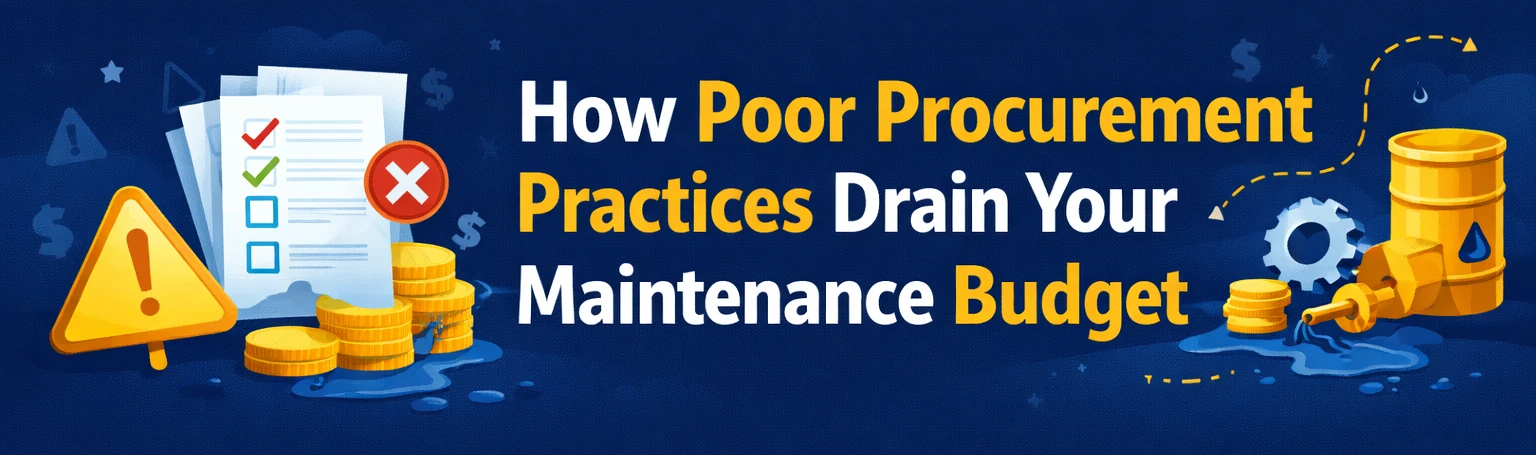
IntroductionYour maintenance team might be running like clockwork, but if your procurement process is flawed, you’ll still feel the pain — in the form of unexpected costs, inefficiencies, and budget overruns. Poor procurement practices quietly erode your maintenance budget, often without you realizing.In this post, we highlight the top financial leaks in spare parts procurement and explain how HUB’s smart tools plug these gaps.💸 Top 5 Procurement Practices That Drain Budgets 1️⃣ Emergency Orders & Expedited Shipping Buying last-minute leads to premium pricing and sky-high logistics costs. HUB Fix: Predictive reordering tools and alerts keep your stock ready — no more panic buying. 2️⃣ Duplicate Purchases Without centralized visibility, departments may unknowingly order the same part multiple times. HUB Fix: Cross-department visibility and duplicate detection flag overlapping requests before they happen. 3️⃣ Poor Vendor Management Relying on slow or expensive suppliers drains resources and delays maintenance. HUB Fix: Vendor performance dashboards track lead times, reliability, and pricing for smarter vendor choices. 4️⃣ Overstocking & Dead Stock Keeping “just in case” inventory ties up capital and leads to waste. HUB Fix: Dynamic inventory tracking and resale/exchange systems keep stock levels lean and healthy. 5️⃣ Lack of Budget Oversight Without live budget tracking, overspending can spiral before it’s caught. HUB Fix: Real-time spend dashboards highlight budget status and alert you to variances instantly.🚀 HUB: Your Partner in Smart Procurement With HUB’s all-in-one procurement platform, you gain: ✅ Predictive planning ✅ Duplicate request prevention ✅ Smart vendor management ✅ Spend and stock visibility ✅ Budget protection and ROI tracking ✅ ConclusionPoor procurement habits bleed budgets dry — but they’re easy to fix with the right tools. HUB’s platform empowers your team to buy smarter, save money, and keep your maintenance budget on track.🔗 Explore HUB’s Procurement Efficiency Tools: www.HUBspareparts.com🔗 Book a Demo for Smarter Spare Parts Procurement: Contact Us
IntroductionPredictive planning sounds great in theory: forecast failures, prepare early, and avoid downtime. But does it actually deliver real financial returns? The short answer: Yes — when done right.In this post, we explore the ROI (Return on Investment) of predictive spare parts planning and explain how HUB’s smart tools help you capture measurable financial gains.💰 Where Predictive Planning Pays Off 1️⃣ Reduced Downtime Costs - Predicting failures means replacing parts before they break, minimizing costly production halts. 2️⃣ Lower Emergency Procurement Fees - Rush orders and expedited shipping are expensive. Predictive planning ensures parts are on hand when needed. 3️⃣ Optimized Inventory Levels - By forecasting demand accurately, you avoid overstocking and tying up capital. 4️⃣ Extended Asset Life - Timely part replacements keep machines running smoothly and longer, reducing CAPEX.🧮 Sample ROI Calculation - Example: - Cost of unplanned downtime: $5,000/hour - Predictive planning avoided 10 hours of downtime in 1 year = $50,000 saved - Predictive planning software & process cost: $8,000/year - ROI = (50,000 - 8,000) / 8,000 × 100% = 525% ROI🚀 How HUB Maximizes ROI 📊 1. Historical Failure & Usage Analysis - HUB studies your past part usage and failure trends to build reliable predictive models. 🔔 2. Dynamic Reorder Scheduling - HUB automatically adjusts reorder points based on predictive demand signals. 📈 3. Live Monitoring & Alerts - Stay informed with real-time dashboards and proactive notifications for parts nearing predicted failure windows. 💸 4. Spend & ROI Dashboards - HUB tracks the savings and performance improvements gained from predictive planning, giving you clear ROI reports.✅ Conclusion - Predictive spare parts planning isn’t just a buzzword — it’s a proven strategy to cut downtime, reduce waste, and maximize operational ROI. With HUB’s intelligent tools, you can turn data into real savings and performance gains.🔗 Learn More About HUB’s Predictive Planning: www.HUBspareparts.com🔗 Request an ROI Demo: Contact Us
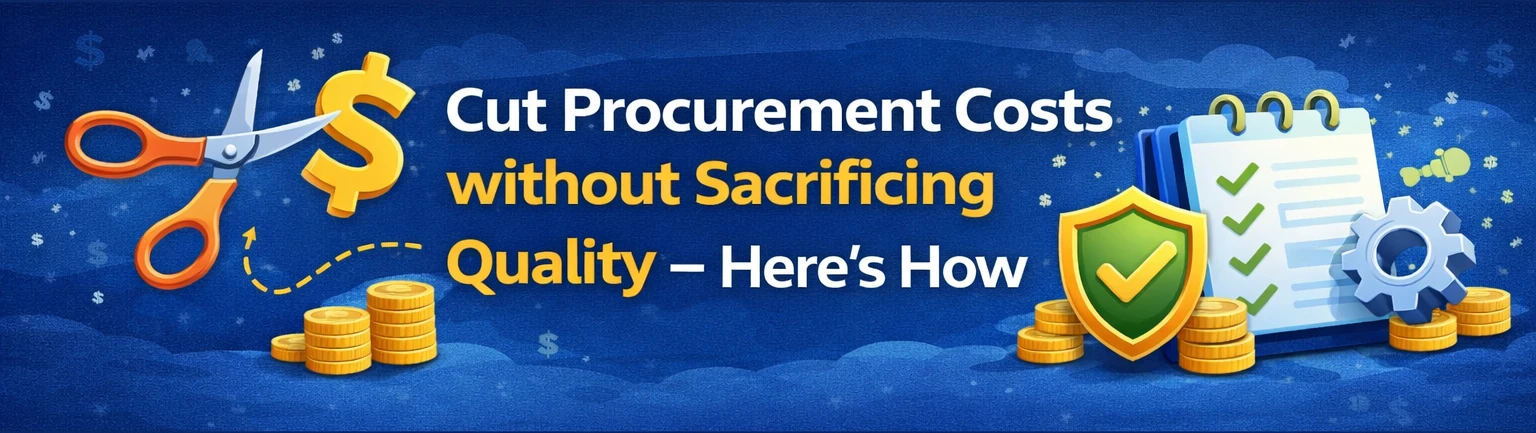
IntroductionIn industrial procurement, the pressure to cut costs is constant. But chasing the cheapest option can backfire — leading to low-quality parts, premature failures, and expensive downtime. The real challenge? Reducing costs without compromising on quality.In this post, we show how HUB’s multi-vendor marketplace and price comparison engine help you strike the perfect balance between savings and reliability.💰 The Risks of a “Lowest Price” Strategy 🛠️ Inferior Quality Parts: Lower upfront prices can mean shorter part lifespans. 🏭 Increased Downtime: Cheap, unreliable parts lead to more frequent breakdowns. ⚠️ Compliance & Safety Issues: Non-standard parts may violate safety codes or void warranties.✅ HUB’s Smarter Approach to Cost Control 🏢 1. Multi-Vendor Marketplace - HUB brings together trusted suppliers and verified vendors on one platform, giving you a full range of quality options at competitive prices. 🔍 2. Real-Time Price Comparison Engine - Instantly compare prices, specs, lead times, and supplier ratings — helping you make data-backed decisions, not risky guesses. 🛡️ 3. Verified Product Quality - HUB prioritizes original, certified, and vetted products, protecting you from counterfeits or substandard spares. 🚦 4. Supplier Performance Tracking - See each supplier’s on-time delivery rate, past performance, and customer reviews before committing. 📦 5. Bulk Deals & Consolidated Procurement - HUB’s tools help you bundle orders across departments or sites for volume discounts — without sacrificing part specs.💡 Case Study ExampleA manufacturing plant reduced its spare parts procurement spend by 18% in one year using HUB’s comparison engine — while improving uptime through better part reliability.✅ ConclusionCutting costs shouldn’t mean cutting corners. HUB’s multi-vendor model and smart price comparison tools empower you to save money and maintain the highest standards.🔗 Explore HUB’s Multi-Vendor Marketplace: www.HUBspareparts.com🔗 Book a Demo of HUB’s Price Comparison Engine: Contact Us


You need to Sign in to view this feature

This address will be removed from this list
 english